
Today I was perusing some boxes of black and white photos taken long ago with my old Canon AE1 SLR camera. I thought you all might be interested in seeing them. I had to scan them into my computer and they came out very grainy and somewhat blurry but I think you will still be able to enjoy them.They come with a story about a certain period in my life.
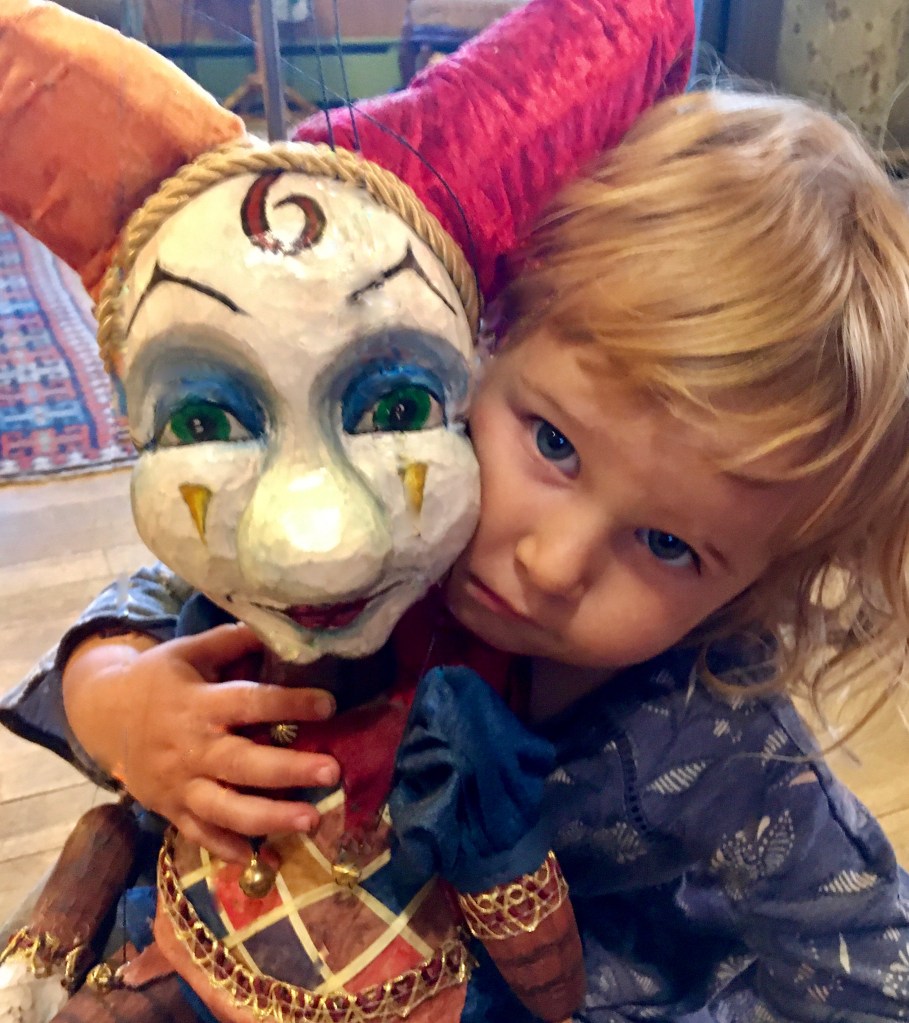
But first…I want to add one photo that should have gone with my puppets in Prague post but I needed the parents’ permission before posting it. Permission granted and here it is.
Now back to my theme of today. When I was first starting out in my career as a sign language interpreter my mentor was very involved in working with DeafBlind people and she drew me in. Always having been a person who takes in the world tactilely and kinesthetically it was a good match for me.
“DeafBlind” doesn’t necessarily mean having no hearing or sight (in fact that is fairly rare) so DeafBlind people comprise a very small population with a great variety of combinations of hearing and visual loss and onset of those losses; and therefore communication needs and experience of the world. I knew one young woman who was born totally deaf and blind. She had her own unique sense of the world. Another older woman who had lost both her sight and hearing later in life knew the world as a hearing, sighted person would. These two women lived in two completely different worlds.
Some DeafBlind people whose first language is English use fingerspelling in the hand (like Helen Keller) or print on the palm, or even braille. Others who grew up Deaf and became blind or visually impaired as an adult may use tactile American Sign Language. There are many other communication methods as well. The one thing everyone had in common was a desire for communication and participation in the world around them.
As an interpreter not only did I need to find a way to communicate the linguistic environment but also the physical environment, and often I acted as a sighted guide as well. It was fascinating work. Exhausting but fun. We had social gatherings and outings where we went roller skating, tandem bicycling, boating, dancing and of course eating. There were national conferences and camps for DeafBlind people and once I attended an international DeafBlind convention. That was an experience. There were so many different communication techniques in different languages happening all around me. Different countries have different sign languages, it is not universal, but there is an international lingo (like Esperanto only much more successful) called Gestuno that Deaf people from different countries can use to communicate with each other at least in a basic way.
I was so moved by DeafBlind people’s resilience, joie de vivre and desire to form deep friendships as well as their incredible patience with others and determination to navigate the world no matter what. Truly inspiring.
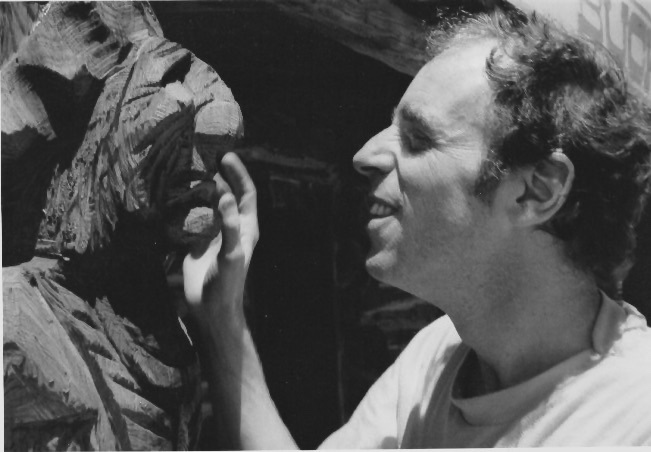
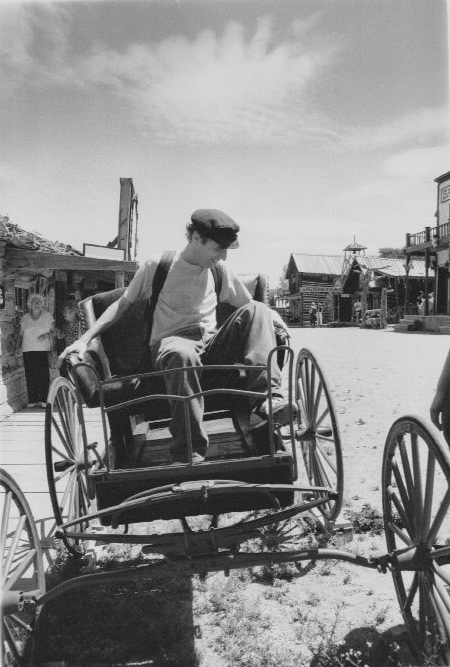
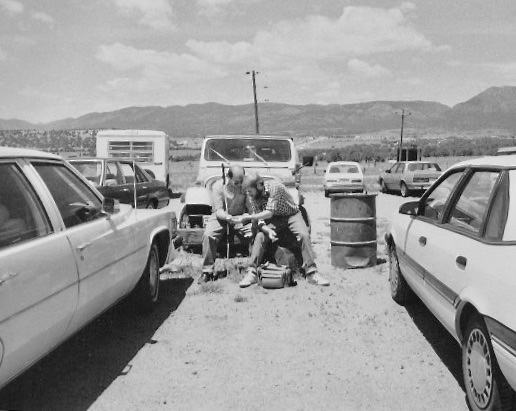
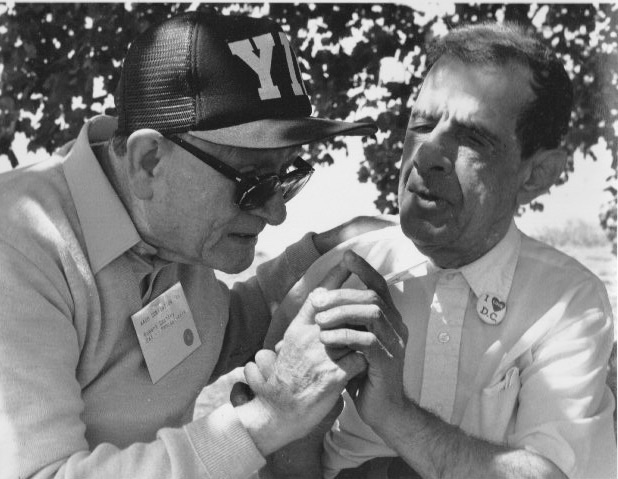
Here are some photos of DeafBlind friends of mine. The first few were taken at a “living museum” a recreation of a village in the Wild West. We went there on a field trip during a national DeafBlind convention.
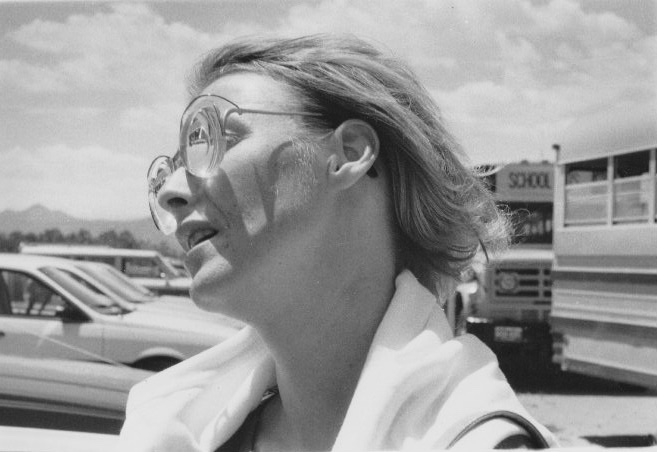
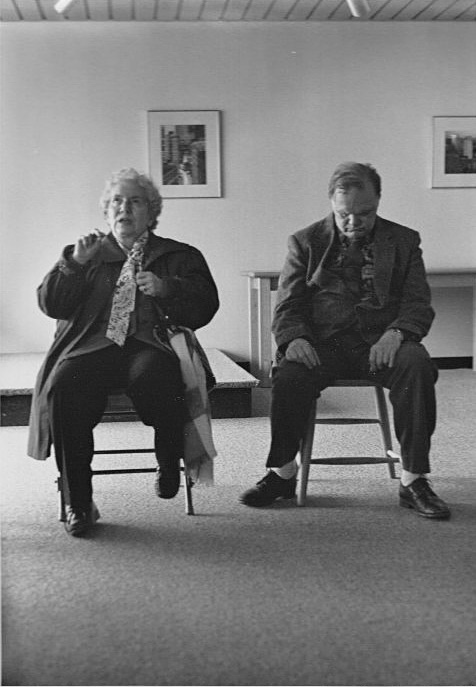
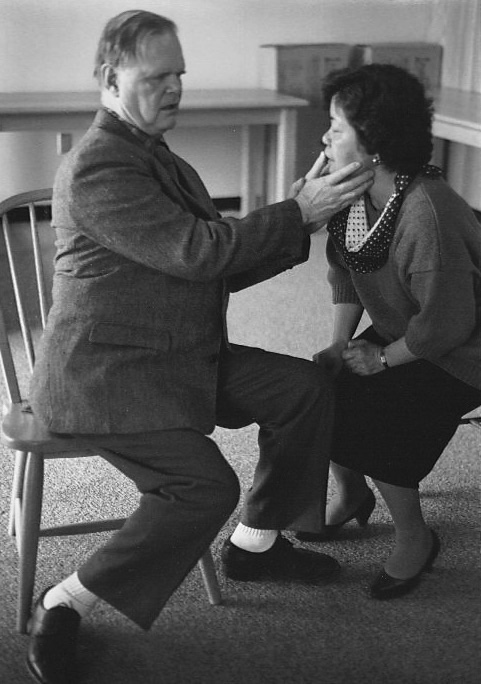

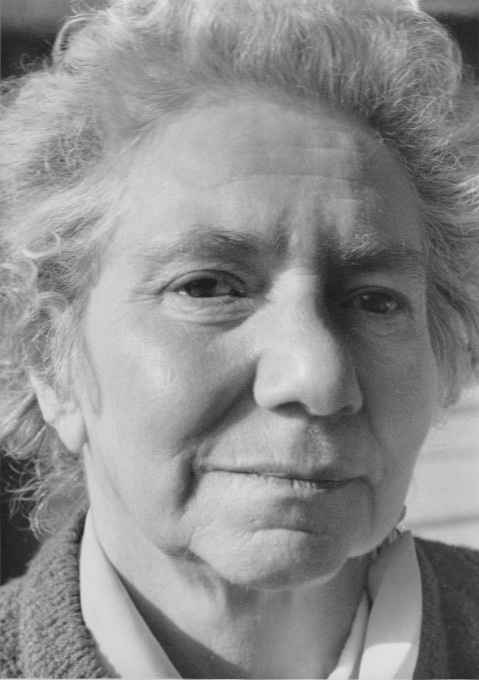
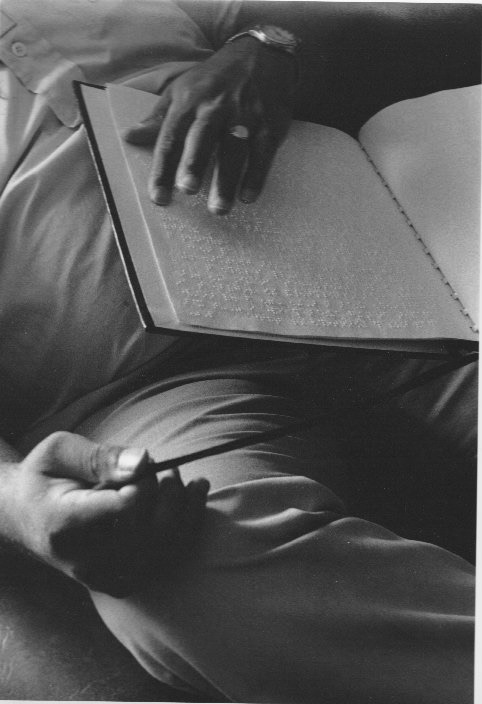
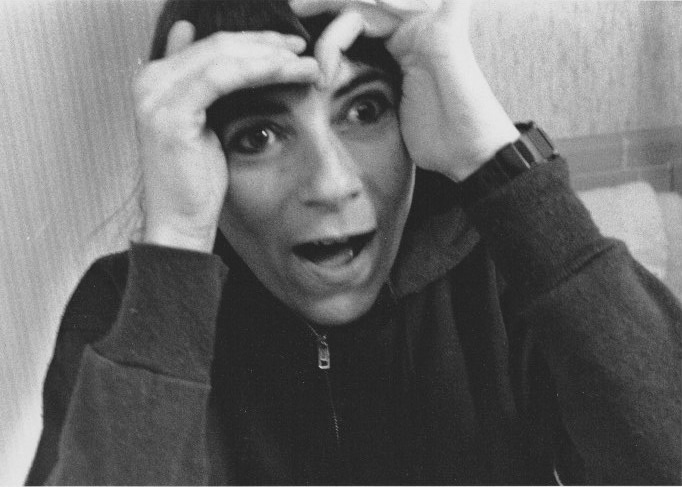
Here are some photos of my friend Janet who grew up hard of hearing and started losing her vision as a young adult.

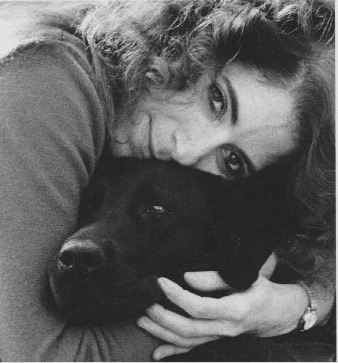
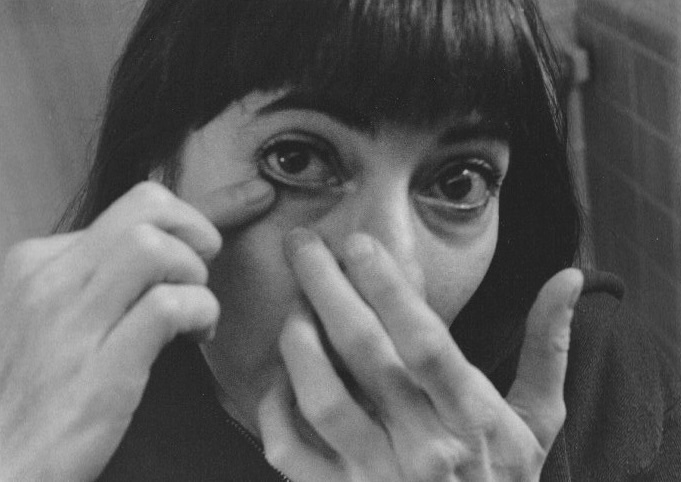
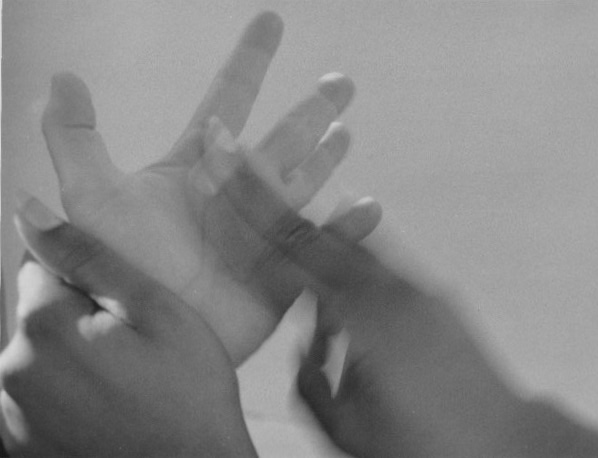
Hands are the major sensors for DeafBlind people to communicate and to experience the world.
That’s it for today.
 coppsky
Wow ! So fascinating – thank you for sharing!!!
It was a fascinating and amazing experience getting to know and work with DeafBlind people.
fascinating and amazing- so many ways to communicate! and the pictures are beautiful, too.
You are most welcome. It gives me great pleasure to share with all of you.
Ruth, having known you for only a very short time, I am amazed at the depth and variations of your life experiences. These posts are wonderful and very informative. Thank you.
Ruth, these photographs are stunningly beautiful in all ways. Thank you.
Thanks Michele,
<
div>It was a profound and magical experience for me.
Sent from my iPhone
<
div dir=”ltr”>
<
blockquote type=”cite”>
You are welcome Maddy. Very special for me to share th
Thanks for that journey in. I remember well, my impression Ann Bancroft gave me of Helen Keller’s urgency and brilliance. Human being ‘s are amazing. This photo,with your words is precise and touching.
Wow! I am touched.